Salads carry a reputation for being light, and that is usually fair. A bowl of greens is not a major source of protein. Even a few cups of leafy greens typically contribute only a few grams, so most of the protein in a substantial salad comes from what you put on top.
The same bowl can deliver anywhere from two grams to well over thirty, depending on whether it carries a handful of nuts or a chicken breast, and knowing roughly what each topping is worth makes the difference between a side dish and a meal.
Where the Protein in a Salad Comes From
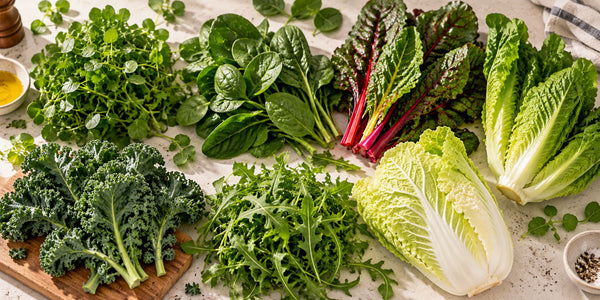
Leafy greens earn their place through vitamins, minerals, and fiber rather than macronutrients, and they are mostly water by weight. A cup of raw spinach contains about 0.9 grams of protein, so a typical base of two or three cups of mixed leaves contributes somewhere in the region of two to three grams in total.
That figure puts the base in perspective. Reaching a meaningful protein number from greens alone would mean eating an implausible quantity of them, which is not how anyone eats a salad.
Vegetables added to the base behave the same way. Cucumber, tomato, peppers, and carrots all bring flavor, texture, and fiber while adding very little protein, so a vegetable-only salad, however large and colorful, remains a low-protein meal.
How Much Protein Should Be in Lunch?
Daily requirements vary with body size, activity, and age, so a single number does not fit everyone. The general reference point for adults is around 0.8 grams of protein per kilogram of body weight per day, with higher intakes common among active people and those building muscle.
Spreading that across meals is where the practical target comes from. For someone aiming for a higher-protein lunch, 20–30 grams is a useful practical target, although the right amount depends on your overall diet and individual needs.
Satiety is the reason it matters at lunch specifically. Protein is the macronutrient most associated with feeling full, and a midday meal built mostly from greens and vegetables tends to be followed by an afternoon of snacking regardless of how large the bowl was.
Protein in Common Salad Toppings
The figures below are standard USDA portions, which is worth noting because real servings often differ from them. A restaurant or prepared salad may carry considerably more chicken than three ounces, and a handful of nuts is rarely exactly one ounce.
| YOUR YARD | TYPICAL SIZE | CUTTING WIDTH | RUNTIME YOU NEED | WHAT TENDS TO DECIDE IT |
|---|---|---|---|---|
| Courtyard or townhouse | Under 100m² | Narrow | 15 to 20 minutes | Tight turns and where it's stored |
| Standard suburban backyard | 100 to 400m² | Narrow to mid | 25 to 40 minutes | Garden beds and side gate access |
| Large block or acreage | 400m²+ | Wide | 45 minutes plus, or a spare battery | Open ground and slope |
Reading down that list shows how steep the drop is after the first few entries. A single serving of chicken or steak does more work than four or five plant toppings combined, which is why salads built without one of them need deliberate assembly rather than a scattering of extras.
What a Protein Serving Looks Like on the Plate
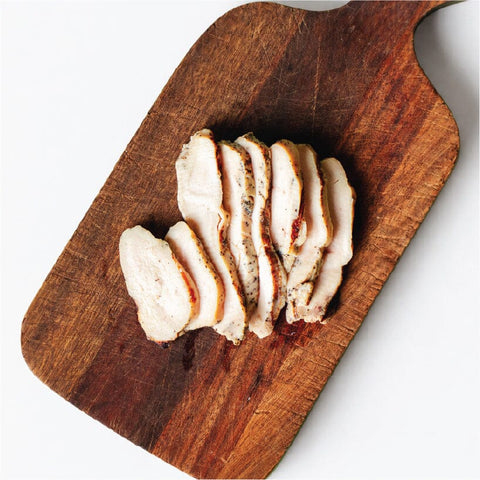
Three ounces of chicken breast is roughly the size of a deck of cards, and at 26.4 grams it covers a typical lunch target on its own. Sirloin sits alongside it at 24.7 grams, which is why adding either one to a vegetable-based bowl changes the meal rather than merely topping it.
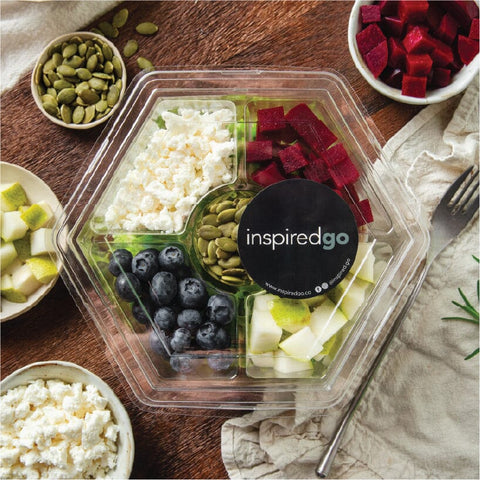
Cheese splits sharply depending on form. Hard cheeses are respectable in concentrated form, with parmesan at 10 grams per ounce, while the softer cheeses people reach for on salads land much lower, feta managing about 4 grams for the same weight. Crumbled goat cheese and blue cheese sit nearer feta than parmesan.
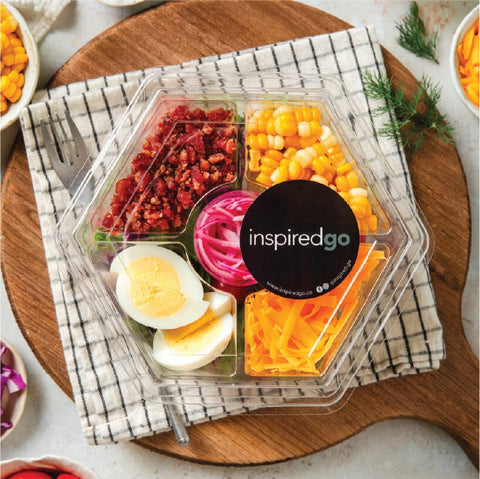
Eggs are the most underrated entry on the list. A single large egg carries 6.3 grams, so two hard-boiled eggs add about 12.6 grams, which lifts a vegetable salad into a different category for very little cost or preparation.

Plant Proteins That Add Up to a Full Lunch
Plant sources individually sit in the 4 to 9 gram range, so a meat-free bowl gets there by stacking three or four of them rather than leaning on one. These combinations all land above 30 grams.
Edamame, Quinoa and Pumpkin Seeds
Half a cup of edamame at 8.9 grams with one cup of cooked quinoa at 8.1 grams gives 17 grams, and an ounce of pumpkin seeds at 8.5 grams brings the bowl to 25.5 grams. An ounce of almonds takes it to 31.4 grams.
Quinoa, Black Beans and Parmesan
A grain and legume pairing is the classic route. One cup of quinoa at 8.1 grams with half a cup of black beans at 7.7 grams reaches 15.8 grams, and an ounce of almonds at 5.9 grams plus an ounce of parmesan at 10 grams lifts the bowl to 31.7 grams.
Chickpeas, Edamame and Seeds
Half a cup of chickpeas at 5.8 grams alongside half a cup of edamame at 8.9 grams reaches 14.7 grams, and an ounce of pumpkin seeds at 8.5 grams brings it to 23.2 grams. An ounce of parmesan closes the gap at 33.2 grams, or a second helping of seeds and legumes keeps the bowl fully plant-based.

How to Build a Salad That Keeps You Full
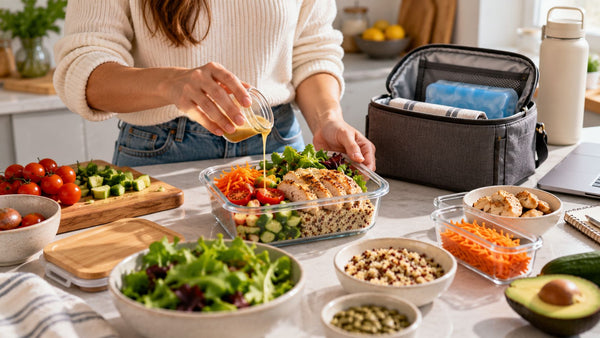
A salad that keeps you satisfied does not need to be complicated. The easiest approach is to build around a meaningful protein source, then use the other toppings for volume, texture, and variety.
1. Start with your protein
Choose a substantial protein source rather than relying on the greens themselves. Three ounces of chicken or steak provides roughly 25 grams of protein, which can cover much of a typical 20–30 gram lunch target on its own. How Much Protein Is in a Salad
2. Make the portion count
The amount you add matters as much as the ingredient itself. A salad containing chicken can still be relatively low in protein if the serving is only an ounce or two, so look at the actual portion rather than assuming that an ingredient is present in a meaningful amount. How Much Protein Is in a Salad
3. Build plant-based protein from several sources
If you're not using meat, combine several protein-rich toppings rather than expecting one ingredient to do all the work. Edamame, quinoa, beans, seeds, and nuts can be stacked together to push a salad beyond 30 grams of protein. How Much Protein Is in a Salad
4. Use vegetables for volume, not as your main protein source
Greens and vegetables add fiber, texture, and volume, but they contribute relatively little protein. Think of them as the base of the meal, then build the protein content through the toppings. How Much Protein Is in a Salad
5. Treat dressing as a finishing touch
Some dairy- or egg-based dressings contribute a small amount of protein, but the amount is modest compared with the main toppings. If you're trying to reach a specific protein target, the dressing shouldn't be where you expect to get there. How Much Protein Is in a Salad
The result is a simple formula: greens and vegetables for the base, one substantial protein source or several smaller plant-based sources, then toppings for flavour and texture.
Does Dressing Add Any Protein?
Vinaigrettes contribute essentially nothing. Oil and vinegar bases carry fat and acid, both of which matter for flavor and for absorbing fat-soluble vitamins, but neither brings protein to the bowl.
Dairy-based dressings are the exception worth knowing. Anything built on Greek yogurt inherits some of its 24.5 grams per cup, and while a two-tablespoon serving is a small fraction of that, it still contributes a gram or two that an oil-based dressing does not. Ranch and Caesar dressings made with buttermilk or egg sit in similar territory, though the amounts remain modest.
Dressing is not where a protein target gets met. Treating it as a minor contributor rather than part of the calculation keeps the focus on the toppings, which is where the grams actually come from.
Takeaway: Hitting a Protein Target in One Bowl
A salad can be a high-protein meal, but the protein usually comes from the toppings rather than the greens. Two or three cups of leaves and vegetables may provide only a few grams, so the main protein source needs to be deliberate. How Much Protein Is in a Salad
For a 20–30 gram lunch, the simplest option is one substantial serving of chicken or steak. A vegetarian or plant-based salad can reach the same range too, but usually needs several protein-rich ingredients working together, such as edamame, quinoa, beans, seeds, or nuts.
Portion size matters just as much as the ingredient list. A salad can look substantial while still falling well short of its intended protein target if the main protein serving is too small.
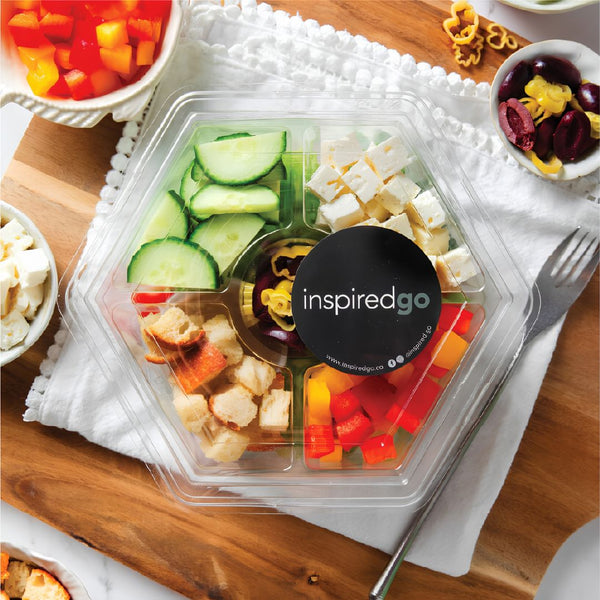
For salads where the nutrition is planned rather than left to guesswork, Inspired Go provides chef-designed salads and bowls with nutrition information published for each item, including options built around chicken, steak, salmon, and plant-based proteins.